Fight or flight
Sympathetic
The accelerator. Designed for short bursts — fleeing danger, meeting deadlines. Heart rate up, digestion down, breath shallow.
Chapter 16 · Section IV — Daily Practices
The body cannot heal in fight-or-flight. Coming home to the breath is the first medicine.
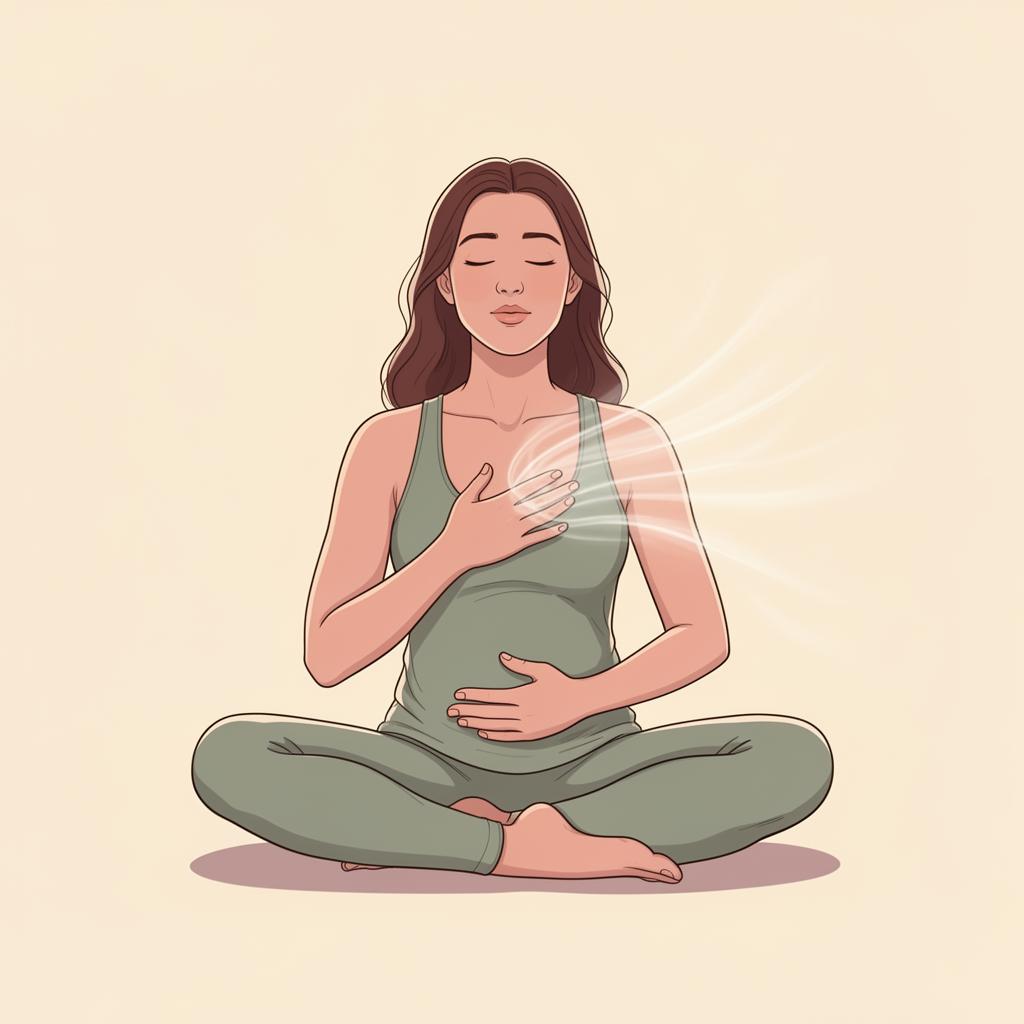
Of all the lifestyle factors that shape breast health, the most underestimated is the state of the nervous system. Stress is not just an emotion; it is a chemical environment. Every thought, every deadline, every difficult conversation translates into hormones that flood the bloodstream and reach every tissue in the body — including breast tissue.
The good news is that we are not at the mercy of stress. The nervous system has two settings — and we know how to switch between them. The breath is the steering wheel, and sleep is the engine that rebuilds what the day has worn down.
Your autonomic nervous system has two complementary branches. Both are necessary. Trouble arrives only when one is dominant for too long.
Fight or flight
The accelerator. Designed for short bursts — fleeing danger, meeting deadlines. Heart rate up, digestion down, breath shallow.
Rest, digest, repair
The brake. Where healing happens. Heart rate down, digestion on, breath deep. The state your body needs most of the day.
Stress is not in your head — it is in every cell. Here is how an overworked sympathetic nervous system shows up in the systems that matter most for breast health.
Chronic cortisol steals the building blocks needed to make progesterone, leaving estrogen unopposed — a setup for estrogen dominance.
Sustained stress dampens natural killer (NK) cells, the immune system's first line of defense against abnormal cells.
Stress hormones drive systemic, low-grade inflammation — the soil in which most chronic disease, including cancer, takes root.
A clenched diaphragm stops pumping lymph. Shallow chest breathing leaves congestion in the very tissues we want to keep flowing.
Cortisol raises blood sugar, which raises insulin, which acts as a growth signal — including to tissues you'd rather keep quiet.
Stress and poor sleep feed each other in a loop. Without deep sleep, the brain and body cannot complete their nightly cleanup.
Breath is the one autonomic function we can consciously steer. Used deliberately, it shifts the nervous system from sympathetic to parasympathetic in a matter of minutes.
Before sleep, or during anxiety
Inhale through the nose for 4. Hold for 7. Exhale through the mouth for 8. Repeat four cycles. Activates the parasympathetic vagus nerve almost immediately.
Anytime focus is needed
Inhale 4, hold 4, exhale 4, hold 4. Repeat for 2–5 minutes. Used by Navy SEALs and yogis alike to steady the nervous system.
Daily, anytime
Inhale and exhale for 5 counts each — about 6 breaths per minute. Sustained for 10 minutes, this rhythm balances heart rate variability.
Acute stress relief
Two short inhales through the nose, one long exhale through the mouth. The fastest known way to discharge stress in real time.
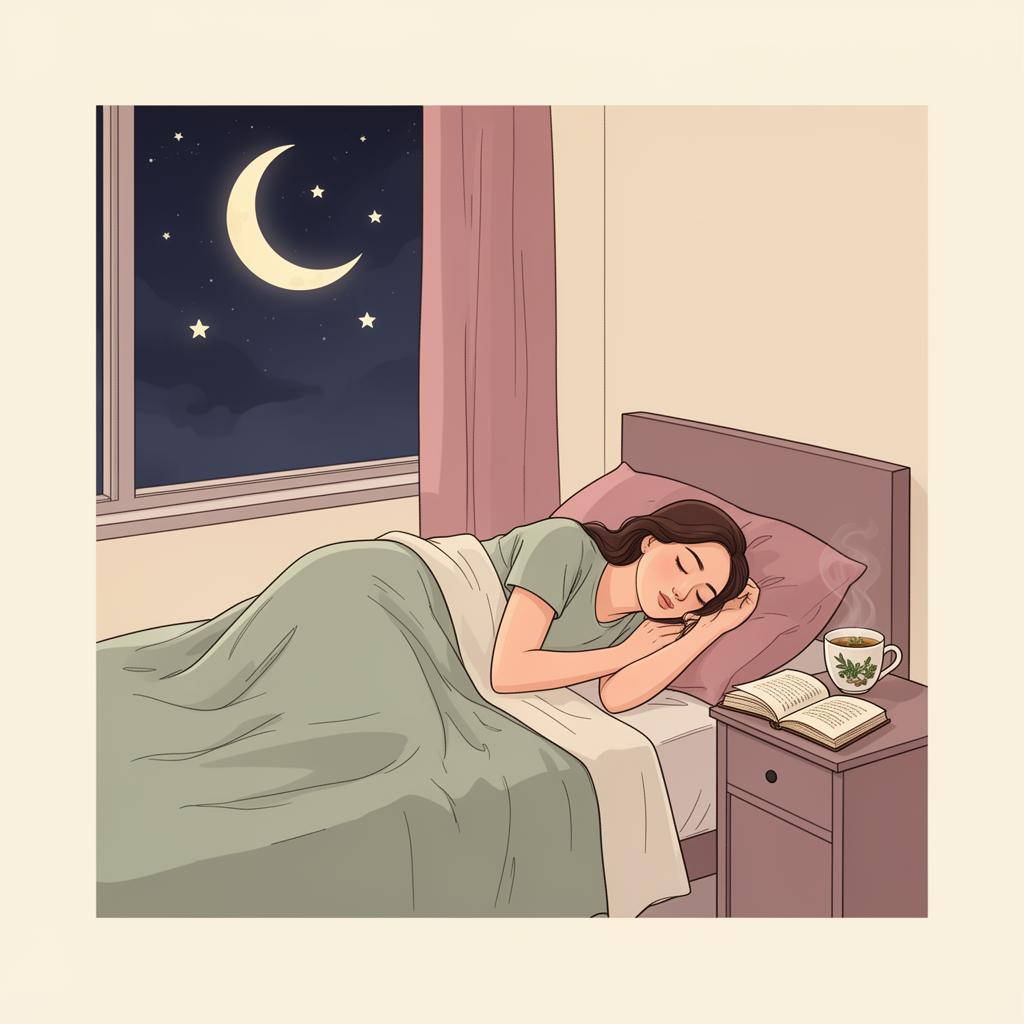
Sleep is not downtime. It is when the immune system patrols, when the brain clears metabolic waste, when growth hormone repairs tissue, and when the body produces melatonin — a hormone that is itself a powerful antioxidant and breast-protective signal.
Aim for 7–9 hours, in a dark and cool room, with a consistent schedule. Six habits that protect deep sleep:
Going to bed within a 30-minute window each night anchors circadian rhythm. The body loves predictability more than perfection.
65–68°F, blackout curtains, no electronics. Even a small light source through the eyelids suppresses melatonin.
Blue light delays melatonin by up to 90 minutes. Read on paper, stretch, journal, bathe — anything but a screen.
Ten minutes of natural light within an hour of waking sets the master clock that governs nighttime melatonin production.
Digestion competes with repair. An empty stomach lets the body focus on its overnight detox and cellular cleanup.
Magnesium glycinate, chamomile, lemon balm, or passionflower gently support the parasympathetic shift toward sleep.
You do not need an hour-long meditation to regulate your nervous system. You need many small invitations into rest, scattered across the day. Choose two or three. Let them become reflex.
Three slow breaths before answering the phone or opening email.
A barefoot walk on grass or earth — five minutes is enough.
Hands on heart, eyes closed, three breaths of gratitude before getting out of bed.
A real lunch break, eaten away from a screen, even ten minutes.
Sunset light without sunglasses — a signal to the body that night is coming.
One conversation a day with someone you love, in person or by voice.
A reflection
"The body cannot heal in a hurry. Slowing down is not the opposite of progress — it is the condition of it."