Morning pages
10–20 min, daily
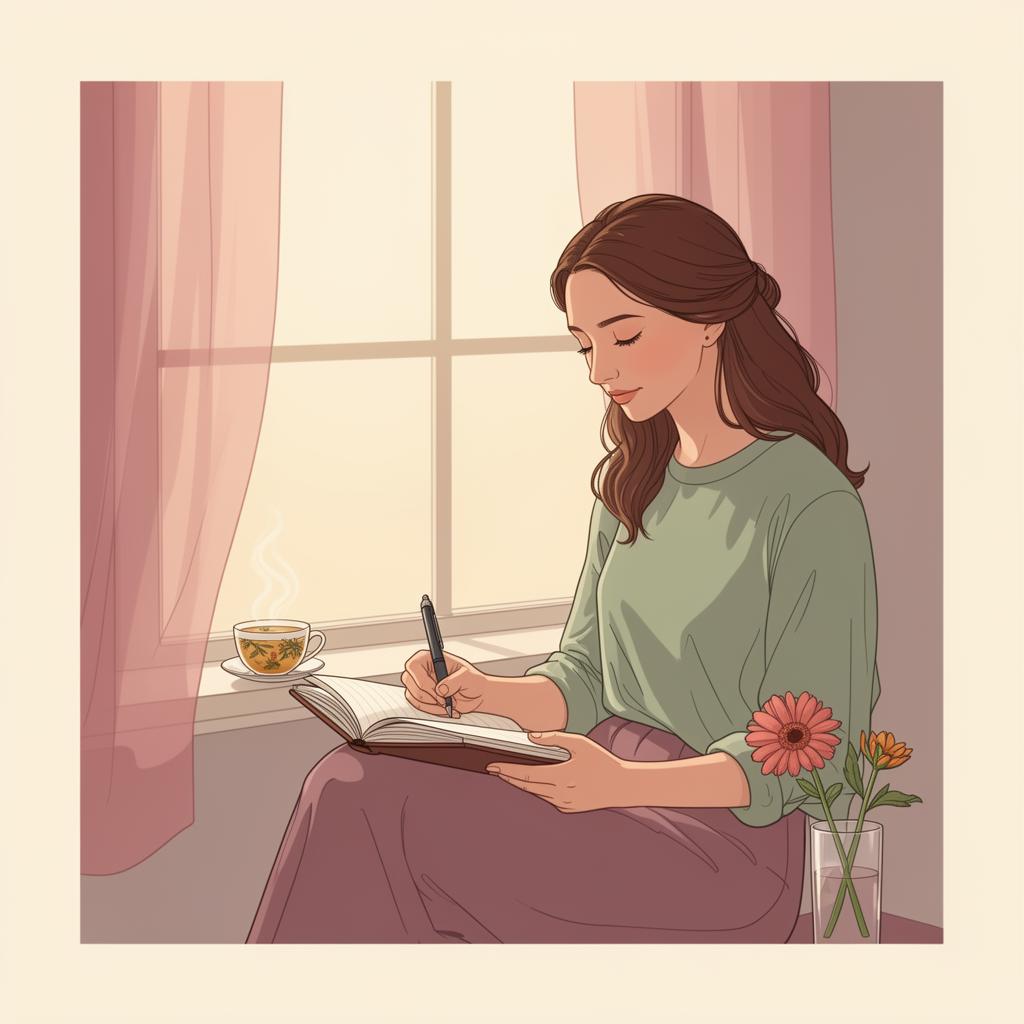
Three handwritten pages of stream-of-consciousness writing, first thing. Not for keeping — for clearing. Empties the mental cache before the day begins.
Chapter 17 · Section IV — Daily Practices
What we feel, we metabolize. Emotional wellbeing is not soft — it is biology, every bit as real as nutrition or sleep.
The science of psychoneuroimmunology — the study of how thoughts and emotions shape the immune system — has confirmed what wisdom traditions have long known: the body and the mind are not two systems. They are one system, in constant conversation. Every emotion produces hormones and neuropeptides that travel through the bloodstream and reach every cell, including the cells of the breast.
This is not about thinking your way to health. It is about giving the body permission to feel, complete, and release what it has been holding — and surrounding it with the relationships and practices that keep the inner world spacious.
Four Quiet Principles
Every feeling produces neuropeptides that travel to every cell. Joy, grief, anger, awe — each is a chemical bath the body must metabolize.
Emotion that is suppressed does not disappear. It moves into the tissues and quietly shapes hormone, immune, and inflammatory patterns.
Anatomically over the heart and lungs, breast tissue is exquisitely responsive to grief, love, loss, and self-protection.
Loneliness measurably weakens immune function. Belonging — to people, to place, to purpose — is one of the most underrated health interventions.
Many women come to breast health through a quiet recognition: that somewhere, the body has been carrying something for a very long time. The work is not to assign blame. It is to offer attention.
Long-held anger keeps cortisol elevated and immune surveillance dampened. The work is not to stop feeling — it is to feel and complete the cycle.
Grief that has nowhere to go often settles in the chest. Many women describe a tightness over the heart and breasts that softens only with permission to mourn.
The habit of always putting others first leaves the body chronically depleted. Saying no is also nervous-system care.
Pouring out without refilling is the most common way modern women run their immune systems into the ground.
Shame held about the body — its size, its history, its scars — translates into clenched, guarded tissue. Self-compassion is the antidote.
The body remembers what the mind has decided to forget. Somatic therapies (EMDR, Somatic Experiencing, breathwork) help release what talk alone cannot.
These are not cures. They are openings. Most women find that one or two practices, done consistently for a season, do more than many practices done sporadically.
10–20 min, daily
Three handwritten pages of stream-of-consciousness writing, first thing. Not for keeping — for clearing. Empties the mental cache before the day begins.
10 min, daily
Lying down, move attention slowly from feet to head, noticing without changing. Teaches the nervous system that sensation is safe to feel.
3 things, nightly
Three specific things from the day, written or spoken aloud. Sustained gratitude measurably increases vagal tone and immune function.
5 min, as needed
Light tapping on acupressure points while naming a specific emotion. Releases the body's stress response around the feeling, not the feeling itself.
Whenever it rises
Tears literally remove stress hormones from the body. Sad films, music, or memories give the body permission to discharge what it's holding.
Weekly or as needed
A trained witness — therapist, coach, somatic practitioner, spiritual director — offers what self-help cannot: relationship, attunement, reflection.
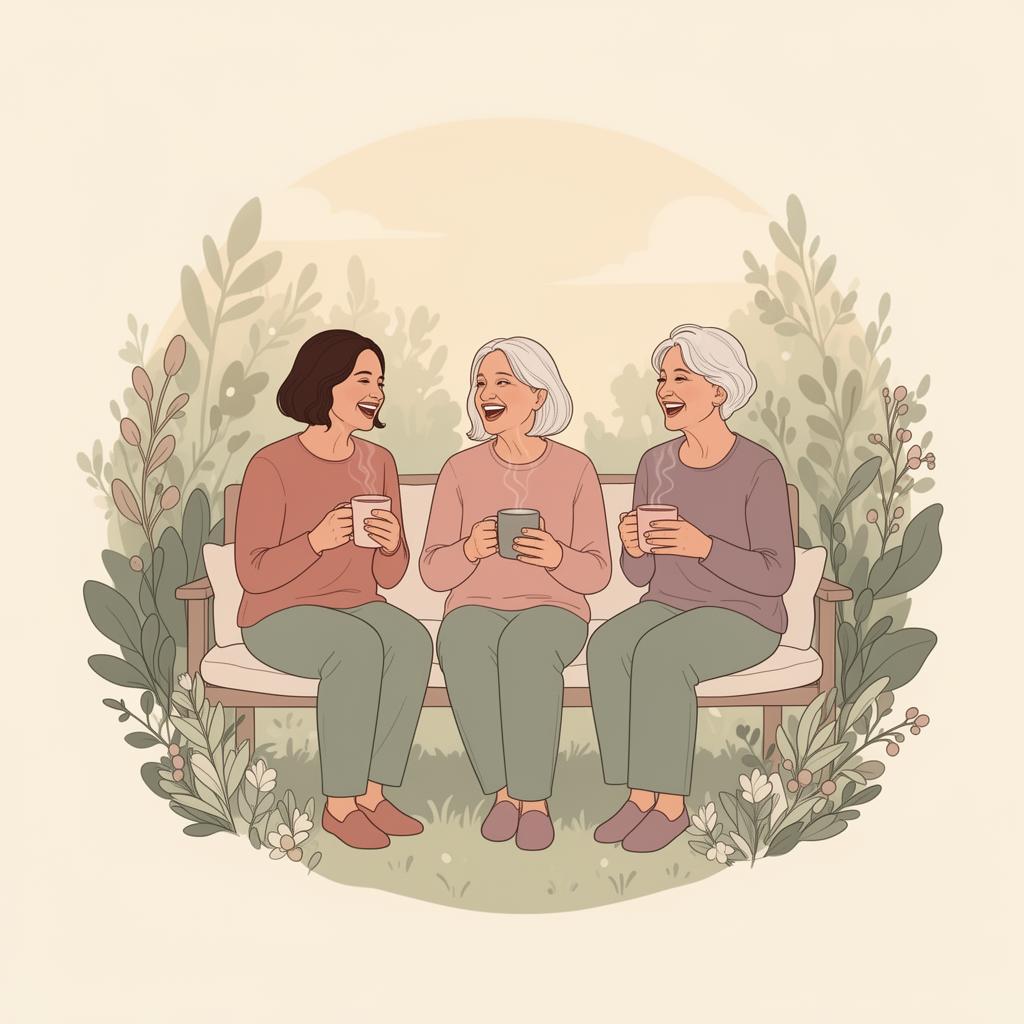
Studies of the world's longest-lived populations consistently identify one factor above all others: the depth and frequency of meaningful relationships. Loneliness has been measured to be as harmful to health as smoking fifteen cigarettes a day. Connection is not a luxury — it is foundational.
Six small ways to deepen belonging this season:
One unhurried call a week to someone who loves you exactly as you are.
A weekly meal eaten with another human, phones away.
A walking buddy — movement and conversation in the same hour.
A creative practice (art, music, dance) shared in community, not alone.
Volunteer work that puts you in physical contact with others outside your usual circle.
A spiritual or contemplative community that gathers in person, even monthly.
A reflection
"The body keeps the score — but it also keeps the song. What we tend, tends us back."